Mexican Pattern Font
Choosing the right font for a project is like selecting the perfect accessory for an outfit—subtle, but essential. When I was redesigning a lifestyle blog’s header, I found myself drawn to Mexican Pattern, a display font that captures the essence of a rich cultural heritage. Its ornate design and vibrant energy make it ideal for editorial projects that want to stand out without shouting.
Mexican Pattern for Editorial Headers and Magazine Covers
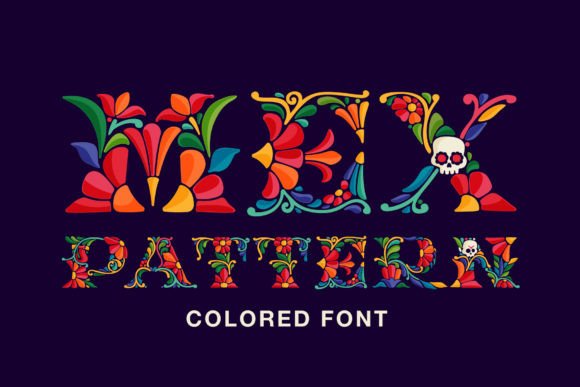
Mexican Pattern is a premium font that brings a sense of history and artistry to any layout. For a digital magazine cover, its intricate details and bold strokes add visual weight while maintaining a sense of elegance. The font’s rhythm feels natural, with each letterform balancing complexity and clarity. It works well as a headline or title, offering a strong visual anchor in a design.
When used for a magazine cover, Mexican Pattern can evoke a sense of authenticity and cultural storytelling. Its patterns are reminiscent of traditional Aztec and Mayan motifs, making it a powerful tool for publications focused on travel, culture, or artisanal crafts. The font’s personality is warm and inviting, encouraging readers to engage with the content it introduces.
Mexican Pattern in Recipe Ebooks and Printable Guides
For a recipe ebook or printable guide, Mexican Pattern adds a touch of personality that aligns with the creative spirit of the content. It’s especially effective when used for chapter openers or section headings, where its ornate style can draw attention without overwhelming the reader. Pairing it with a clean sans serif font for body text creates a balanced look that supports readability while keeping the design cohesive.
In a printable planner or worksheet, Mexican Pattern can be used as a decorative accent or for titles that need a bit of flair. Its expressive nature makes it ideal for headers that signal a change in theme or activity. However, it’s important to use it sparingly, as its detailed forms may not translate well to small sizes or dense layouts.
Mexican Pattern for Wedding Guides and Branding Projects
Wedding guides often require a mix of elegance and personality, and Mexican Pattern delivers both. Its classic Mexican style adds a unique touch to event invitations, program covers, or branding materials. The font’s versatility allows it to work in both formal and casual contexts, depending on how it’s styled and paired.
For a wedding guide, Mexican Pattern can be used for section titles, pull quotes, or decorative elements that reinforce the theme. Its rich character makes it a great choice for logos or brand identities that aim to reflect cultural heritage. When paired with a serif font for body copy, it creates a refined yet expressive look that resonates with modern audiences.
Mexican Pattern in Newsletter Graphics and Social Media Designs
Newsletters and social media graphics benefit from fonts that command attention while remaining legible. Mexican Pattern fits this need perfectly, especially when used for headlines or callout text. Its bold strokes and intricate details make it visually engaging, helping to capture the reader’s eye in a crowded digital space.
For a newsletter header, Mexican Pattern can serve as a focal point that sets the tone for the content. It works well in combination with a minimalist design, allowing the font to shine without competing with other elements. On social media, it can be used for captions, banners, or promotional graphics that require a touch of creativity and cultural flair.
Mexican Pattern for Content Branding and Publication Identity
Building a publication identity often involves creating a consistent visual language, and Mexican Pattern can play a key role in that process. Its distinctive style helps establish a brand’s aesthetic, especially for content that aims to connect with audiences through storytelling or cultural expression.
When used across multiple platforms—such as a blog, ebook, or downloadable resource—Mexican Pattern can create a unified look that reinforces brand recognition. It’s particularly effective for content that blends art, history, and modern design, offering a bridge between tradition and innovation. However, it’s important to consider the font’s limitations, such as its suitability for long-form reading or small text sizes.